We spent a quiet handful of days in Salreu, Portugal, at the edge of a peaceful estuary. When the weather permitted, we took family walks and watched for wildlife, especially enjoying the enormous white storks we’ve seen around Portugal. On our one sunny day in Salreu, we drove out to the beach, and the kids ran up and down the dunes for as long as we let them. We like beach days in January!
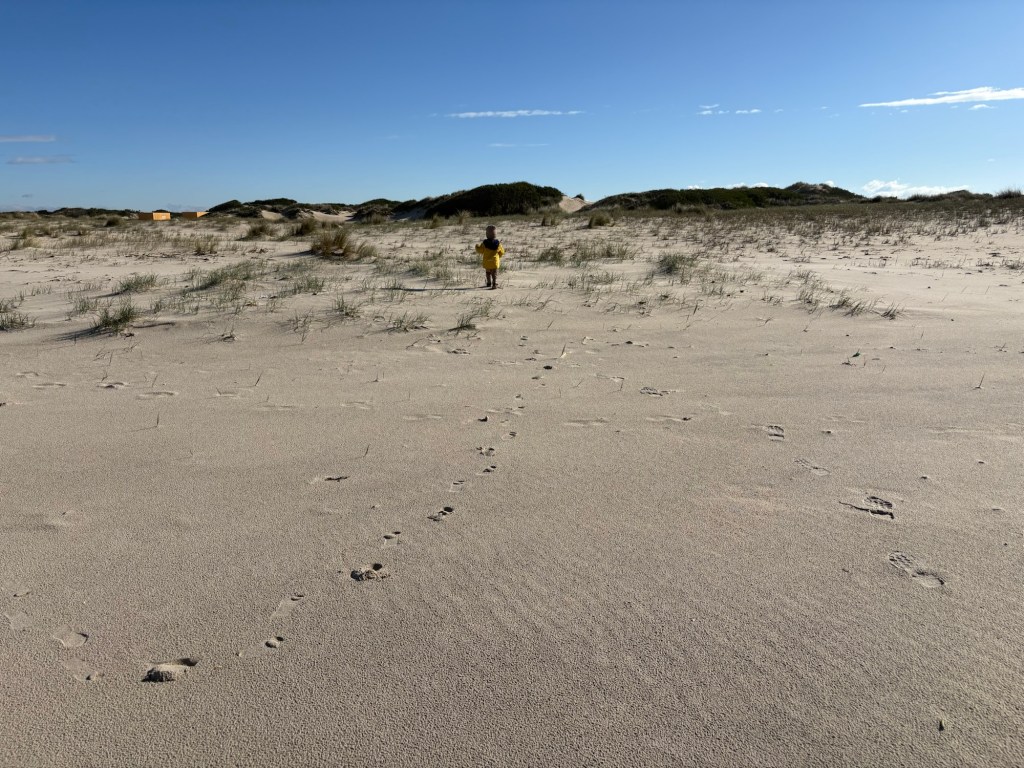
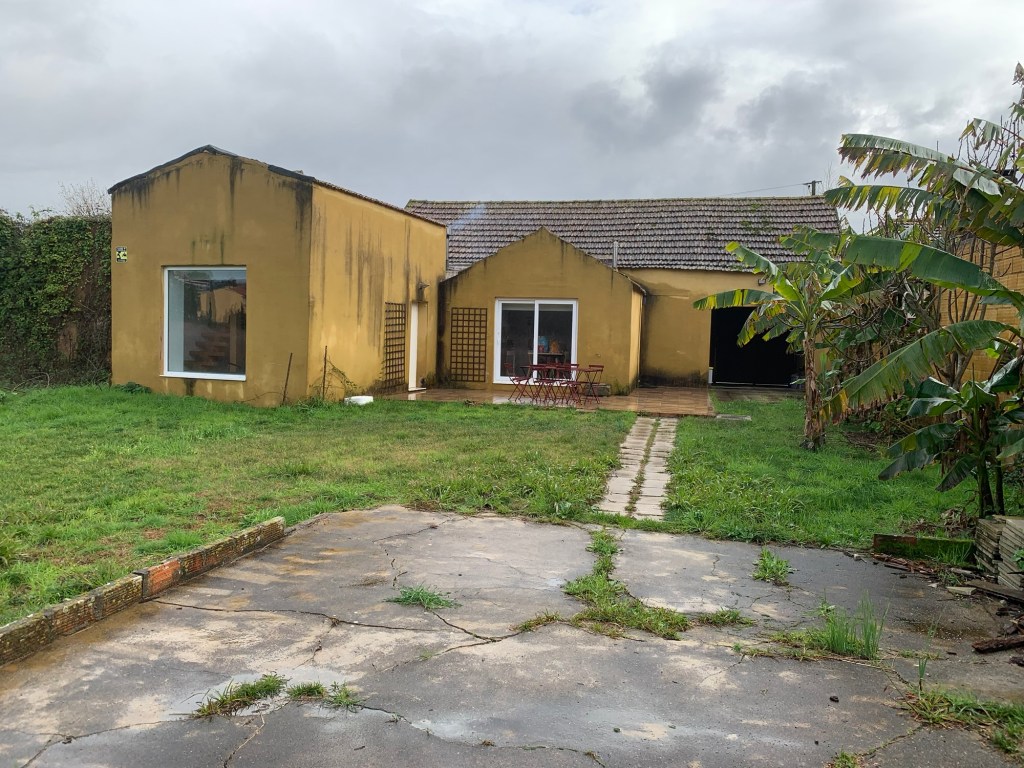
Every Portugal lodging where we’ve stayed has had evidence of some form of water damage, and most of our lodgings have also had some smells associated with water damage. With such a damp climate, mold and mildew proliferate. I haven’t spoken to a native about it, but Google tells me that most Portuguese feel rather helpless and resigned to the decay plaguing their homes and don’t see it as a big problem. And while we personally don’t have any apparent respiratory issues with mold, we are a bit sensitive where the smells are concerned. We’ve had two lodgings where a room smelled bad enough to warrant closing the door and not using that space at all. Other places had less evident problems, but you can always find signs of mildew and green or black gunk somewhere. And that’s just indoors. Every building needs a good power wash here, but I don’t think anyone feels it’s necessary. We’re not staying in the most expensive places, but we’re not slumming it either, so I can only imagine the issues with the even more affordable options. After reading many, many reviews on Airbnb, it seems that plenty of people either don’t notice the mildew, think it’s perfectly normal, or are only slightly bothered by it. Gross!
Sometimes the mildew odors are masked briefly by cleaning products – another smell we can barely tolerate. It’s hard to find unscented anything in Portugal (as has been the case everywhere we’ve been south of Copenhagen), and we’ve often been overwhelmed by the laundry detergent, hand soaps, and any other cleaning products used on our lodgings. Proprietors will also add scent sticks (dubbed “stink sticks” by our family) to mask bad smells, and we have to take all these outside instantly upon arrival. Needless to say, we look forward to smelling the familiar (and unscented) smells of our home.
Now that we’ve been in a number of Portuguese grocery store chains, our menu has gotten just a little more creative. We don’t eat repeat meals all that often at home, since I get bored easily. But our menu while traveling has been more limited. I rarely have a chance to go to the same grocery store twice with our pace of travel, so it’s always hard work to translate the unknown ingredients, navigate an always-changing store layout, and to adjust on the fly as I see what I can find. If we can’t shop on foot individually, Nic will have the unfortunate task of entertaining our kids while I try to use my zapped brain to do the shopping. Our kids lack recent grocery store practice, as I have fully embraced pick-up orders at home. You can picture the circus, I’m sure. Even after figuring out what to cook and buying it all, there is at times the issue of how to cook given the wonky collection of cooking supplies we find at each Airbnb. This all requires more of me than I feel it should!
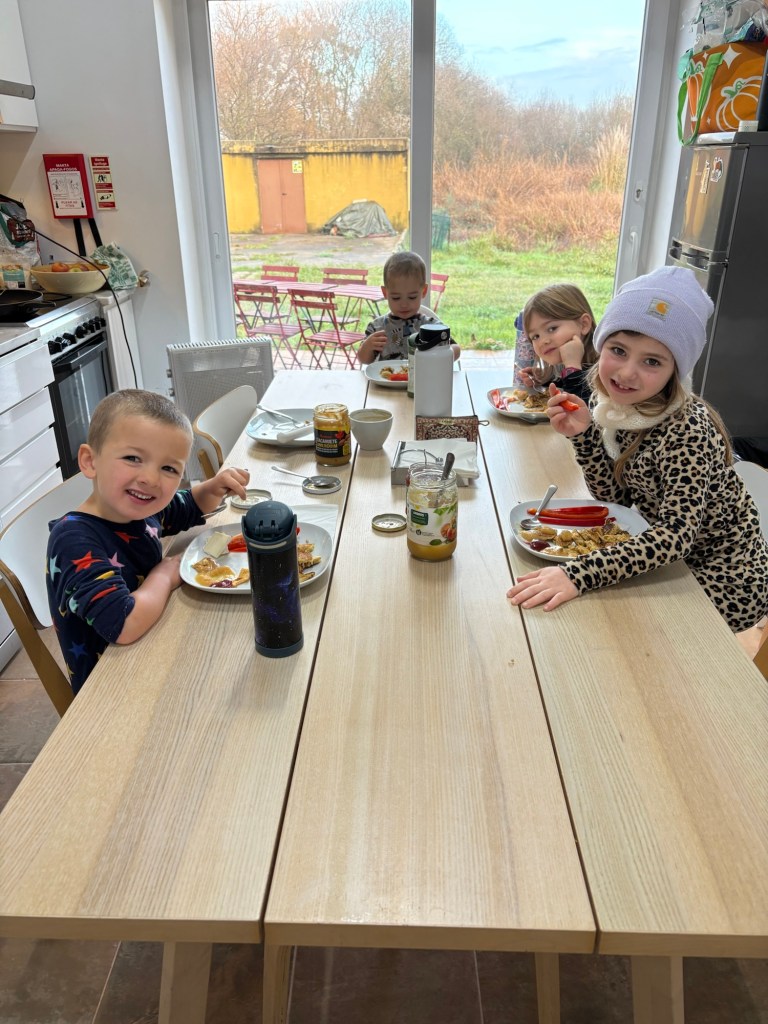
But since we have gotten more familiar with our options here, I’ve had just a little more brain power to send towards things like making homemade pancakes from the recipe I use at home. It took multiple trips to obtain baking soda, but all the other ingredients I use were easy to find. I haven’t seen a measuring cup in any of our lodgings, but I have figured out how to work without one. Laila is improving her pancake flipping skills since we added pancakes to the breakfast rotation, and everyone appreciates a familiar breakfast so far from home.
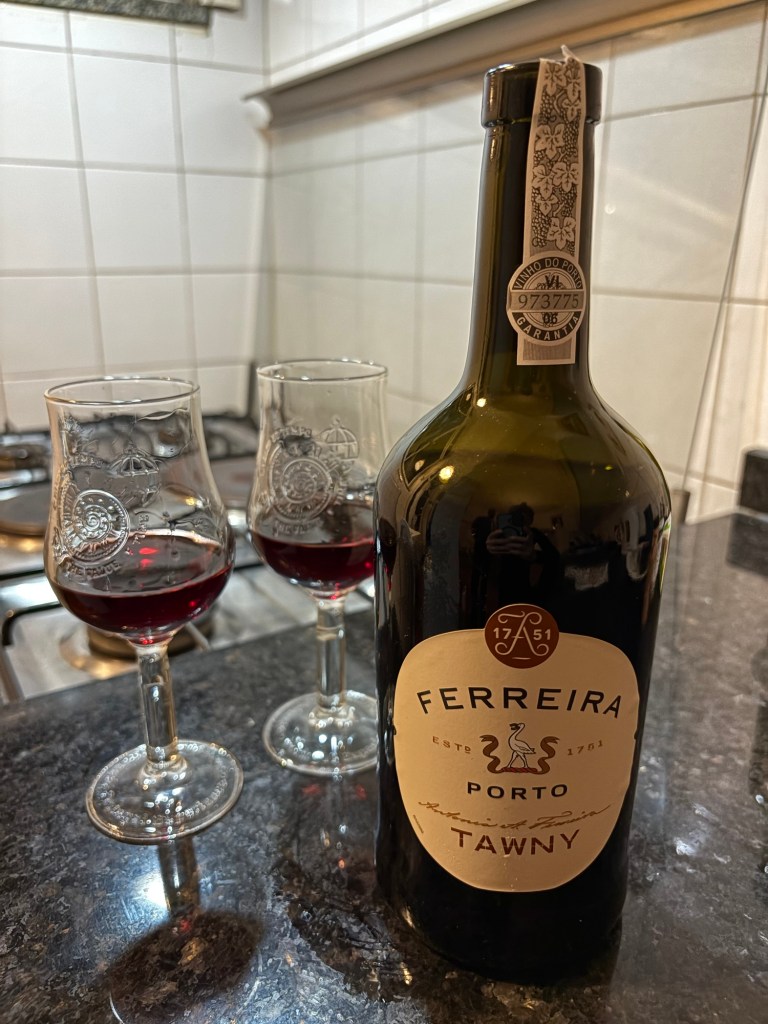
Another interesting difference about Portuguese grocery stores is the shelf space allotted to wine. You can buy a cheap bottle of wine for less than €2 here, and you will have literally hundreds of bottles of wine to choose from. I estimate even a small grocery store will give as much as 20% of the total shelf space to wine. We’ve received a few bottles of wine as welcome gifts, and that has kept us from shopping for it. We did recently buy some port wine, though, since we are in Porto. Port wine is produced exclusively in this part of Portugal and can’t legally be called port unless it originates in the Douro Valley of northern Portugal. Port is a fortified sweet wine typically served with dessert, and its high alcohol content runs around 20%! Nic found it drinkable, but I think it tastes exactly like the Robitussin of my childhood – blech!
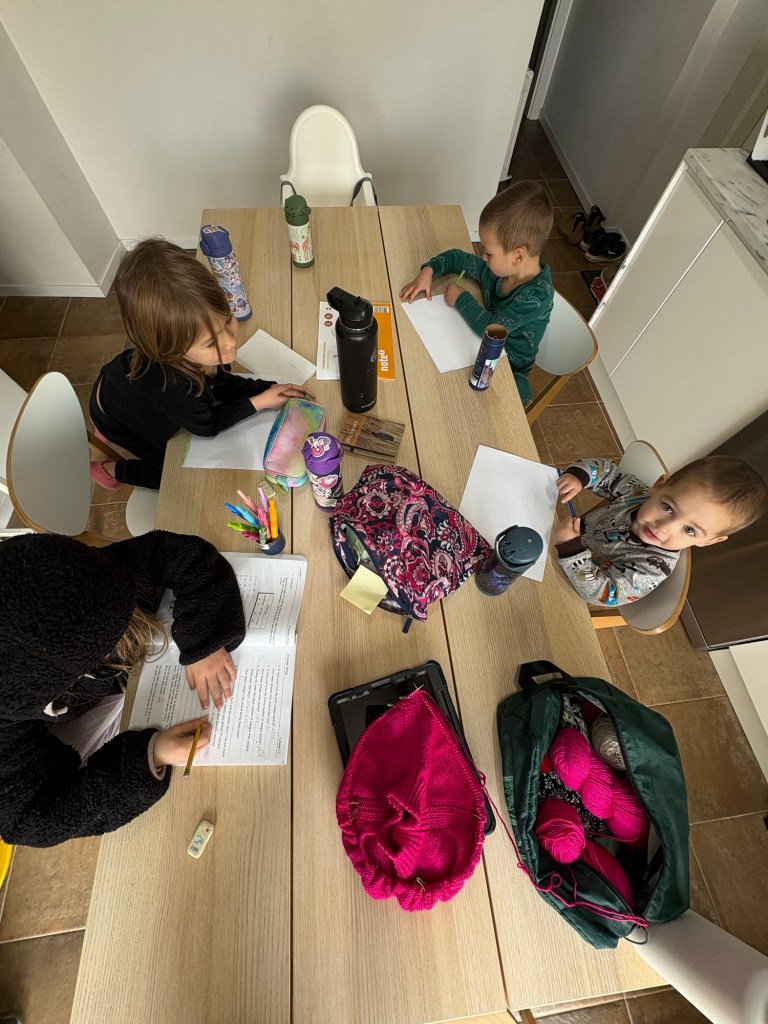
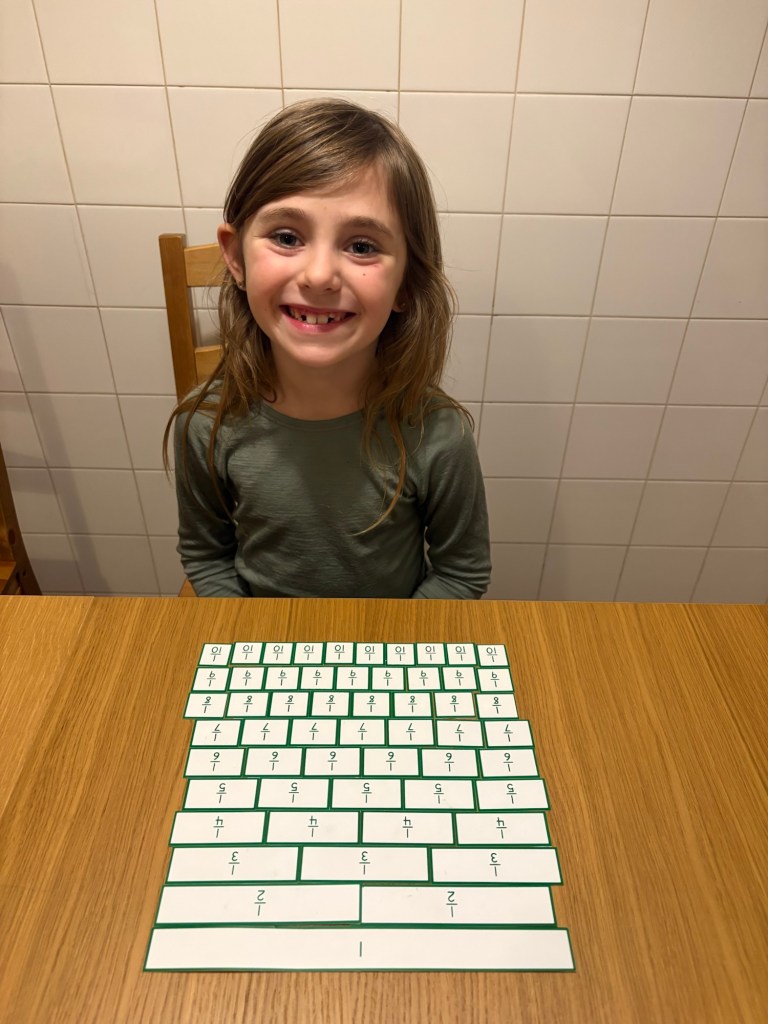
The other reason we have little to report is that it has been rainy. We must have seen Montana’s annual rainfall in the last ten days. It’s easy to get caught in an unpredictable rain storm and to be instantly soaked and pretty chilly. Without a dryer, we have to be smart about how soaked we get and when. Rain has foiled our plans a few times, which can be so frustrating when we’ve done all the work to get the whole family out the door. Rainy days make for good school days, though, so we are staying on top of that.
 Are you having fun with me today?